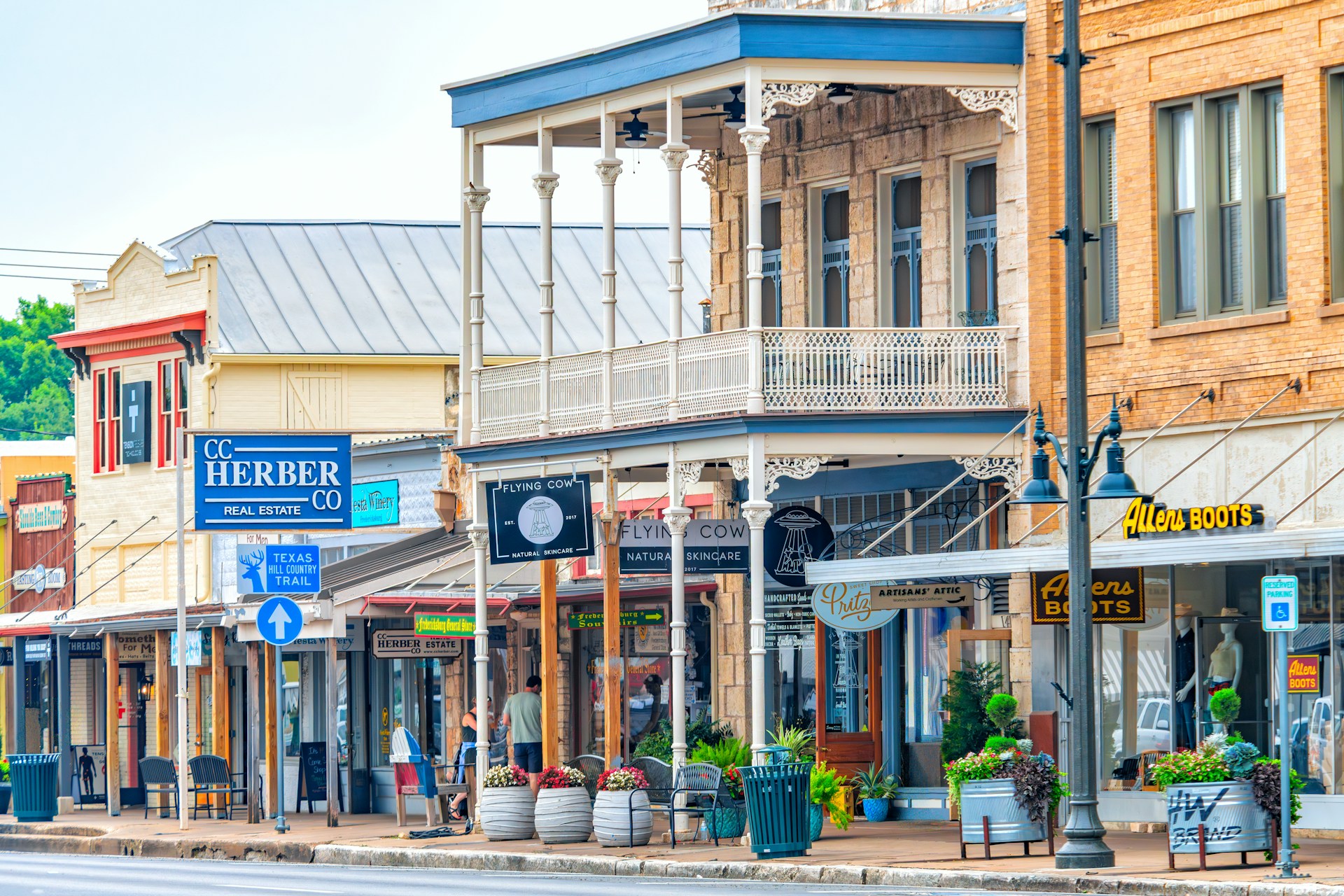
Across the South, local history lives in courthouses, churches, neighborhoods, family stories, and familiar downtown streets. Protecting local history helps communities retain identity while adapting to economic, social, and demographic change. Historic places also give residents visible connections to earlier generations and shared experiences. Meanwhile, preserved stories explain how communities developed, struggled, celebrated, and changed over time. When towns protect these resources, they preserve more than attractive buildings or interesting artifacts. They strengthen the cultural foundation that supports belonging, investment, education, and long-term community resilience.
Protecting Local History Builds a Stronger Sense of Place
A strong sense of place gives people reasons to care about where they live. Historic buildings, landscapes, and traditions make one Southern community distinct from another. For example, a restored main street can reflect local architecture, commerce, craftsmanship, and civic ambition. These details create character that new construction cannot easily reproduce. Because residents recognize their community’s story in these places, preservation can deepen local pride. That pride often encourages stronger participation in neighborhood projects, public events, and civic decisions.
Local heritage also connects generations that may otherwise have few shared experiences. Older residents can explain how buildings, businesses, schools, and gathering places shaped daily life. Younger residents can then connect those memories with places they see today. In turn, those connections make history personal rather than distant or abstract. Community storytelling can also include voices that older historical records overlooked. By expanding whose experiences receive attention, towns create a richer and more accurate public memory.
Historic Preservation Can Support Local Economies
Preservation and economic development do not need to compete for community resources. In many cases, historic preservation can support small businesses, tourism, housing, and downtown revitalization. Older commercial buildings often provide distinctive spaces for restaurants, shops, offices, and creative enterprises. Likewise, preserved districts can encourage visitors to spend more time exploring local streets. Their spending can support independent businesses and keep more economic activity within the community.
Reusing existing buildings can also turn neglected properties into productive community assets. However, successful rehabilitation requires realistic planning, skilled labor, financing, and appropriate building standards. Local leaders should evaluate each property based on condition, use, and community value. They can then connect preservation goals with broader development plans. When preservation becomes part of economic strategy, historic places can serve current needs. This approach protects character while allowing communities to grow in practical ways.
Cultural Heritage Preservation Strengthens Community Memory
Buildings matter, but local history extends far beyond physical structures. Cultural heritage preservation also includes oral histories, photographs, records, music, foodways, festivals, crafts, and community traditions. These resources reveal how people worked, worshiped, organized, created, and supported one another. They also document experiences that may never appear in formal archives. For that reason, communities should treat personal memories and local collections as valuable historical evidence.
Libraries, museums, schools, churches, historical societies, and families can share responsibility for this work. For instance, oral history projects can record residents describing important events and everyday routines. Digitization can also protect fragile photographs and documents while improving public access. At the same time, communities need clear standards for consent, description, storage, and long-term stewardship. Thoughtful practices protect both historical materials and the people whose stories they represent. Strong partnerships make preservation broader, more credible, and more sustainable.
Southern Community Preservation Requires Local Participation
Preservation works best when residents help decide what deserves attention and why. Without local participation, projects may protect prominent landmarks while missing places with deep social meaning. Community meetings, surveys, walking tours, and school projects can reveal overlooked priorities. Likewise, neighborhood organizations can identify threatened buildings before deterioration becomes irreversible. This local knowledge helps officials make better decisions about limited funding and preservation resources.
Participation also builds public support for difficult choices about development and land use. Residents may disagree about which sites matter or how they should be reused. Still, transparent discussion can clarify tradeoffs and reduce unnecessary conflict. Local governments can support that process through preservation commissions, inventories, grants, and clear design guidance. Property owners also need practical information about maintenance and rehabilitation. When policies are understandable, preservation becomes easier to integrate into everyday community planning.
Local History Can Guide Future Community Decisions
Historic preservation is most useful when it informs the future instead of freezing a town in time. Local history can show how earlier decisions shaped transportation, neighborhoods, public spaces, commerce, and environmental risk. That knowledge gives leaders context before they approve major changes. It can also reveal patterns of exclusion or disinvestment that deserve attention. Therefore, preservation should support thoughtful growth rather than simply protect appearances.
Communities can begin by identifying important places, stories, records, and traditions before they disappear. Next, leaders can set priorities based on significance, urgency, public value, and realistic resources. Partnerships with residents, nonprofits, educators, businesses, and preservation professionals can expand local capacity. Over time, these efforts create a stronger record of community identity and change. Protecting local history then becomes an investment in continuity, understanding, and resilience. Southern communities that know their past can make future choices with greater confidence for future generations.