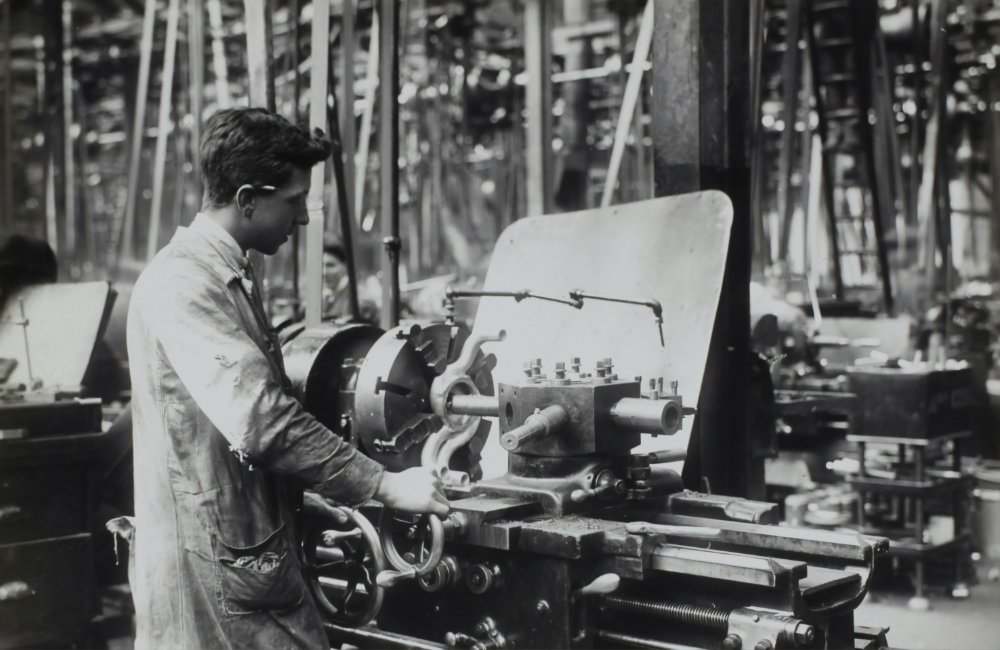
Historic mills offer a valuable look at the engineering skills that helped early communities grow. Before modern factories and electric machines, people relied on natural resources to power essential equipment. Water-powered mills played an important role in this process. They helped farmers process grain, supported local businesses, and introduced practical ways to improve daily production.
Sim Corder/Harrison Mill provides an interesting subject for exploring this history. Its connection to traditional milling encourages a closer look at early engineering methods and industrial development. Although the site’s exact machinery and construction history need confirmation through historical records, the broader history of milling helps explain why these structures remain important today.
Understanding the Historical Importance of Sim Corder/Harrison Mill
Historic mills were more than places where people processed grain. They often served as important centers of community activity. Farmers brought their crops to mills for grinding, while local businesses depended on the finished products. As a result, milling facilities helped connect agriculture with trade and everyday life.
Studying Sim Corder/Harrison Mill can help researchers explore these early economic relationships. Property records, historical maps, and local archives may reveal how the site developed over time. These sources can also provide details about its owners, equipment, and operations. Accurate research is essential for understanding the mill’s specific place in industrial history.
How Early Engineers Used Natural Water Power
Water power was one of the most useful energy sources available to early mill builders. Moving water could turn large wheels and provide the force needed to operate machinery. This system reduced the need for manual labor and allowed workers to process materials more efficiently. It also made production possible before modern electric power became available.
However, building a water-powered mill required careful planning. Engineers had to consider the location of nearby streams, water levels, and seasonal changes. They also needed ways to control the flow of water. Channels and gates helped direct water toward the wheel. These practical solutions demonstrate the engineering knowledge that supported traditional milling operations.
The Mechanical Systems Behind Traditional Mills
Early mills depended on connected mechanical parts to transfer energy. In a typical water-powered grain mill, the turning wheel moved a shaft connected to a system of gears. These gears transferred power to grinding stones or other equipment. Each part worked together to support the milling process.
Mill operators also needed to maintain these systems. Worn gears, damaged shafts, or poorly adjusted stones could reduce production quality. Regular inspections and repairs helped keep machinery working properly. Examining any surviving equipment at Sim Corder/Harrison Mill could help researchers determine which mechanical systems the site used.
Building Materials and Structural Engineering
Traditional mill buildings needed strong structures to support heavy equipment. Builders commonly used timber, stone, and brick because these materials were widely available. Large wooden beams helped carry machinery loads, while solid foundations provided stability. The building design also needed to allow workers to move grain and finished products safely.
Moisture and vibration created additional challenges—water-powered equipment produced repeated movement that placed stress on structural parts. Meanwhile, nearby waterways could expose buildings to damp conditions. Builders addressed these problems through careful material selection and regular maintenance. Studying the construction of Sim Corder/Harrison Mill may reveal how its builders handled similar engineering demands.
How Milling Technology Improved Daily Production
Mechanical milling changed how communities processed agricultural products. Before powered equipment became common, grinding grain required considerable physical effort. Mills allowed workers to process larger amounts of grain with less manual labor. This improvement helped farmers save time and made flour and meal production more efficient.
Over time, milling technology continued to develop. Better gears, improved grinding equipment, and more organized production methods increased output. Some mills also used multiple floors to move grain through different processing stages. These changes show how practical engineering supported industrial progress. They also provide useful context for understanding the technology associated with historic milling sites.
The Role of Historic Mills in Community Development
Mills often influenced where people established farms, roads, and businesses. A reliable milling facility could attract farmers from surrounding areas. Their visits created opportunities for local trade and helped support nearby stores and services. In this way, mills contributed to economic activity beyond their primary purpose.
These facilities also brought people together. Farmers exchanged information, discussed local concerns, and built business relationships during visits. As communities expanded, mills remained connected to agricultural production and transportation networks. Research into Sim Corder/Harrison Mill could help explain whether it played similar roles in its surrounding community.
Why Historic Mill Engineering Still Matters
Historic mill engineering continues to offer lessons about energy use and mechanical design. Early builders worked with natural forces to power machines without modern electrical systems. Their solutions demonstrate how careful planning and practical knowledge can support reliable production. These ideas remain useful when studying machinery, engineering history, and renewable energy.
Traditional mills also show the importance of maintaining equipment and adapting designs to local conditions. Builders had to understand the environment before choosing suitable machinery. They also needed to balance production demands with available resources. These engineering principles remain relevant across many modern industries, even though technology has changed significantly.
Preserving the Engineering Legacy of Sim Corder/Harrison Mill
Preserving historic mills helps protect evidence of earlier engineering practices. Original machinery, building materials, foundations, and water channels can provide information about how these facilities operated. Even when equipment no longer survives, historical photographs and written records may reveal important details about a site’s development.
The legacy of Sim Corder/Harrison Mill deserves careful study through reliable historical sources. Researchers and preservation groups can help document its construction, equipment, and role in local industry. Such efforts can make the site’s history more accessible to future generations. They also help separate confirmed historical facts from general descriptions of traditional milling technology.
The lasting value of historic mills comes from the knowledge they preserve. Their structures and machinery demonstrate how earlier generations solved practical challenges through engineering. By studying Sim Corder/Harrison Mill and the wider history of milling, people can gain a deeper appreciation for the skills that supported early industrial development.