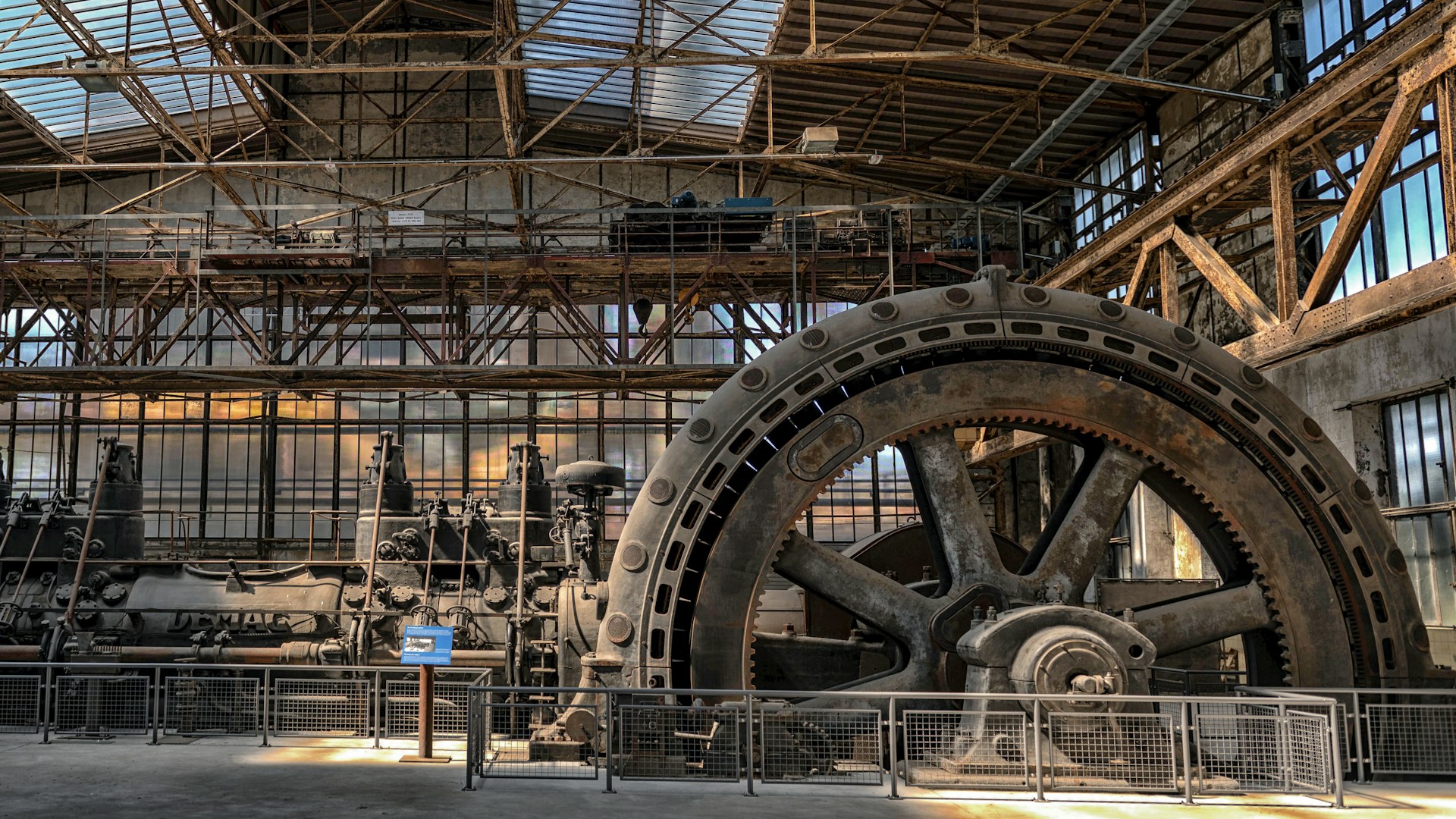
Early industries depended on innovation, natural resources, and skilled craftsmanship to support growing communities. Therefore, historic mills played an important role in transforming local economies and creating opportunities for development. The story of the Sim Corder/Harrison Mill reflects the lasting impact of these early systems through early industrial development that connected people, resources, and production in meaningful ways.
The Sim Corder/Harrison Mill was more than a place of work. It represented the relationship between technology and community progress during a time when mills supported everyday needs. Because of this, understanding its role provides valuable insight into how early industries influenced the growth and identity of surrounding areas.
Exploring the Importance of Mills in Early Communities
Historic mills served as important centers of production and cooperation. Before modern industrial systems became common, communities relied on mills to process resources and support local economies. Therefore, these structures often became essential parts of daily life.
Mills helped farmers, workers, and families complete tasks more efficiently. Additionally, they created spaces where people could exchange goods, share knowledge, and strengthen community connections. As a result, mills became symbols of progress and practical innovation.
The Sim Corder/Harrison Mill reflects this broader history by showing how local industries developed through available resources and human effort. Furthermore, studying its past allows people to understand the challenges and achievements of earlier generations.
Understanding the Technology Behind Early Production
Early mills represented important advancements in engineering and mechanical design. They used available natural resources, such as water power, to operate machinery and improve production methods. Therefore, these systems demonstrated how communities adapted technology to meet their needs.
The design of historic mills required careful planning and skilled construction. Builders needed to understand materials, movement, and energy sources to create reliable operations. Moreover, these techniques showed the creativity and problem-solving abilities of people during earlier periods.
The Sim Corder/Harrison Mill provides an example of how traditional technology supported economic activity. Through studying its structure and function, visitors can gain a better appreciation for the practical knowledge that shaped early industry.
Examining the Mill’s Role in Local Economic Growth
Industrial growth often began at the community level. Small operations, including mills, helped create stronger local economies by supporting trade and providing essential services. Therefore, mills contributed to economic stability and regional development.
The Sim Corder/Harrison Mill likely served as an important resource for nearby residents by helping process materials needed for everyday life. Additionally, businesses connected to mills often encouraged transportation, commerce, and cooperation among community members.
Furthermore, historic mills show how industries evolved over time. They represent an early stage of production that helped establish systems later used in larger manufacturing operations. As a result, these landmarks provide important lessons about economic progress.
Preserving the Mechanical Heritage of the Mill
Historic industrial sites require careful protection because their value extends beyond physical appearance. The machinery, design, and layout of these locations reveal how earlier industries functioned. Therefore, preserving these elements helps maintain a connection with the past.
Restoration efforts often focus on protecting original features while ensuring long-term stability. Additionally, experts study historical records and structural details to better understand how these sites operated. This approach helps maintain accuracy during preservation.
Through industrial heritage conservation, communities can protect important examples of early technology and craftsmanship. These efforts allow future generations to explore how innovation developed and influenced modern industries.
Recognizing the People Behind Early Industry
Industrial history is not only about machines and buildings. It is also about the people who designed, operated, and maintained these systems. Therefore, understanding the human stories behind historic mills adds deeper meaning to preservation efforts.
Workers played essential roles in keeping mills active and productive. Additionally, families and communities often depended on these industries for employment and economic support. Their dedication helped shape the growth of local areas.
By remembering these individuals, communities can create a more complete picture of early industry. Furthermore, their experiences highlight the importance of teamwork, skill, and determination in building successful systems.
Connecting Historic Industry With Modern Learning
Historic mills provide valuable educational opportunities for students, visitors, and researchers. Therefore, sites like the Sim Corder/Harrison Mill can help people explore topics such as engineering, economics, and community development.
Learning about early industry allows people to understand how modern systems developed over time. Moreover, these lessons encourage appreciation for the creativity and effort behind past achievements. As a result, historic sites become important resources for education.
Additionally, preserved industrial landmarks inspire curiosity. Visitors can see how earlier generations solved problems and created solutions with the resources available to them. This connection between past and present helps keep history meaningful.
Supporting the Future of Historic Industry Preservation
Protecting historic industrial sites requires ongoing commitment and thoughtful planning. Therefore, communities must continue finding ways to maintain these landmarks while making them accessible for future generations.
Preservation programs, educational activities, and community partnerships can help strengthen protection efforts. Furthermore, these actions encourage people to recognize the importance of industrial history and its influence on modern life.
Sustainable preservation ensures that historic sites remain valuable resources. By caring for these locations, communities can honor earlier achievements while creating opportunities for continued learning and appreciation.
Remembering the Mill’s Influence on Generations
The Sim Corder/Harrison Mill represents more than an early industrial structure. It reflects the determination, creativity, and cooperation that helped communities grow. Through historic industry preservation, people can continue exploring the role this landmark played in shaping local development and technological progress.
Ultimately, protecting the stories of early industries allows future generations to understand the foundations of modern life. When communities preserve historic mills, they protect the knowledge, experiences, and innovations that helped create lasting change. The turning wheels of history continue to remind us how past achievements influence the world today.