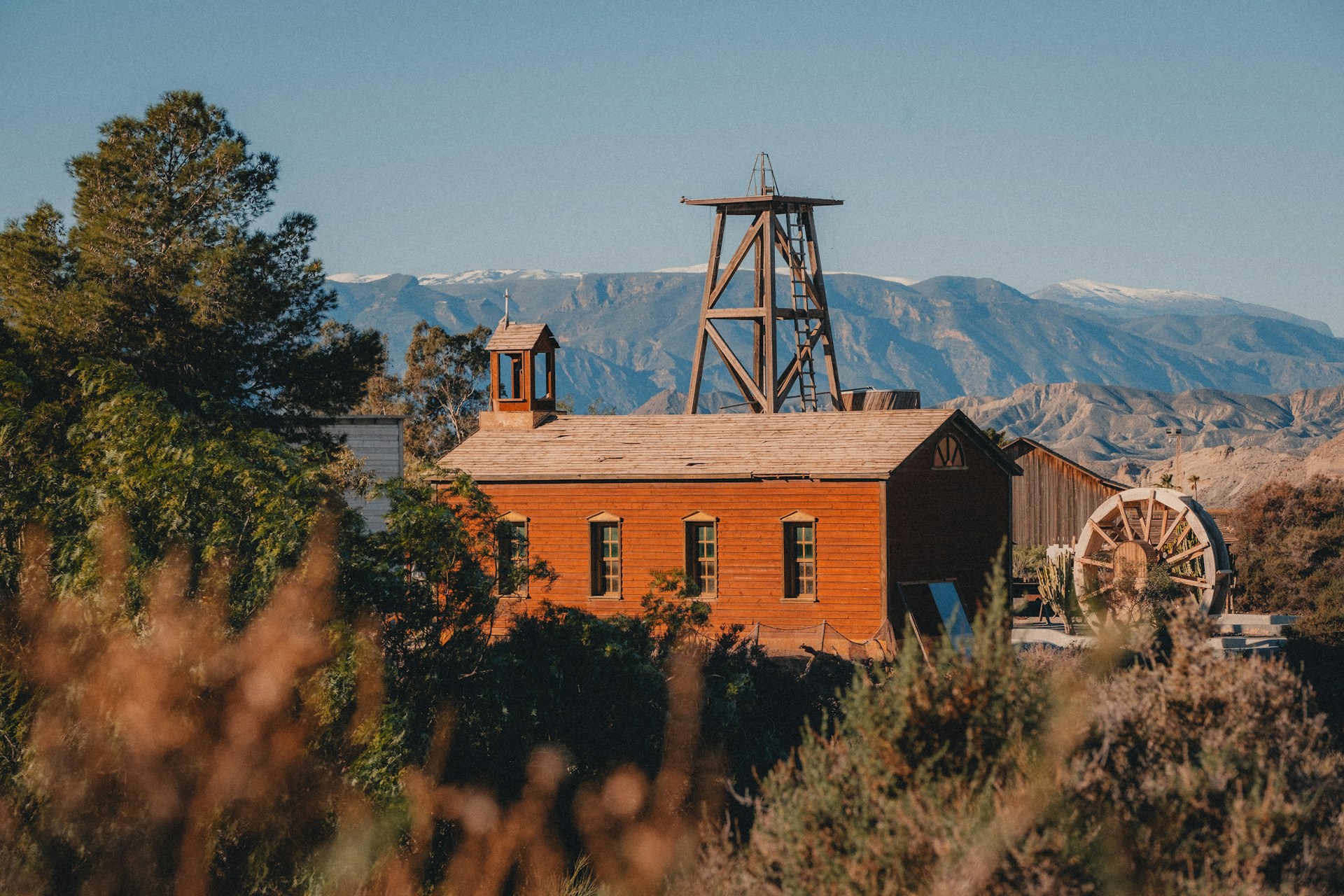
The story of American industry did not begin with towering factories or crowded city skylines. Instead, it started in smaller communities where mills transformed natural resources into products that supported everyday life. These early industrial sites became the backbone of local economies, helping families earn a living while encouraging trade and innovation. Among these important landmarks, the Sim Corder/Harrison Mill stands out as an example of determination, craftsmanship, and progress. Its history reflects the importance of a mill-powered economy, showing how a single workplace could influence commerce, create opportunity, and contribute to the steady development of an expanding nation.
Nature Supplied the Energy for Progress
Long before modern power grids existed, flowing water served as one of the most dependable energy sources available. Communities recognized the value of rivers and streams because they could drive large waterwheels that operated essential machinery. As a result, mills appeared wherever reliable waterways could support continuous production.
The Sim Corder/Harrison Mill benefited greatly from this natural advantage. Instead of relying on manual labor alone, workers used waterpower to complete demanding tasks more efficiently. Consequently, production increased, allowing local businesses and farmers to meet growing demands with greater consistency.
Small Communities Grew Around Industry
Historic mills often became the center of economic life for nearby towns. Farmers brought crops for processing, merchants exchanged goods, and skilled workers gathered to earn steady wages. Over time, these regular activities encouraged additional businesses to settle nearby, strengthening the local economy.
As new families moved into the area, communities expanded with schools, churches, stores, and workshops. This steady development demonstrated how one successful industrial operation could support many different aspects of daily life. Therefore, the influence of the mill reached far beyond its own walls.
Craftsmanship Supported Reliable Production
Running an early mill required more than strong machinery. Workers needed patience, technical knowledge, and practical experience to keep operations running smoothly. Every piece of equipment demanded regular maintenance, careful adjustments, and constant attention to changing conditions.
Because experienced craftsmen understood these responsibilities, they became highly respected members of the community. Their dedication ensured that machinery remained dependable while maintaining consistent product quality. This commitment helped build trust among customers who relied on the mill’s services throughout the year.
Practical Innovation Created Lasting Results
Industrial history often highlights dramatic inventions, yet many meaningful improvements came through smaller changes made over many years. Mill operators regularly refined equipment, adjusted workflows, and introduced better methods that increased efficiency without disrupting daily production.
These practical improvements reduced waste while improving productivity. At the same time, they encouraged workers to develop stronger technical skills that benefited future industries. Eventually, these gradual innovations contributed to broader industrial advancement across surrounding regions.
Lessons That Continue to Inspire Modern Business
Although technology has changed dramatically over the past two centuries, many business principles remain surprisingly familiar. Successful companies still value efficiency, dependable leadership, continuous improvement, and strong customer relationships. These same ideas helped early mills remain productive despite changing economic conditions.
The importance of industrial mill legacy extends beyond historical interest. Business leaders can still learn from the practical decisions made by early operators who balanced innovation with financial responsibility. Their willingness to improve operations while serving local communities demonstrates the value of steady, thoughtful growth.
Regional Commerce Continued to Expand
As transportation networks improved, mills gained access to wider markets beyond their immediate communities. Better roads, improved river travel, and expanding trade routes allowed products to reach customers in neighboring towns and growing cities. Consequently, demand continued to increase.
The growing exchange of goods strengthened business relationships throughout the region. Moreover, merchants could offer customers a wider variety of products while producers enjoyed more dependable income. This expanding commercial network created lasting economic stability for many local communities.
Preserving an Important Industrial Landmark
Historic sites like the Sim Corder/Harrison Mill help modern visitors understand how early industries shaped American development. Original structures, machinery, and historical records provide valuable insight into the daily lives of workers who contributed to local prosperity.
Today, preservation organizations work to maintain these landmarks for education and public appreciation. Their efforts protect both the physical structures and the stories connected to them. As more people visit these historic locations, they gain a deeper understanding of America’s industrial foundations.
Why the Sim Corder/Harrison Mill Still Matters Today
The Sim Corder/Harrison Mill represents far more than a preserved historic building. It tells the story of hardworking individuals who transformed natural resources into lasting economic opportunity. Furthermore, its connection to heritage manufacturing sites reminds us that America’s industrial success grew from countless local efforts rather than a handful of famous factories. Each improvement, each innovation, and each day’s work contributed to a stronger national economy.
As communities continue preserving historic industrial landmarks, they protect valuable lessons for future generations. Visitors can appreciate the determination, craftsmanship, and cooperation that allowed businesses like the Sim Corder/Harrison Mill to thrive. These stories encourage a deeper respect for local history while reminding us that meaningful progress often begins with practical ideas, dedicated workers, and a shared commitment to building something that benefits everyone.