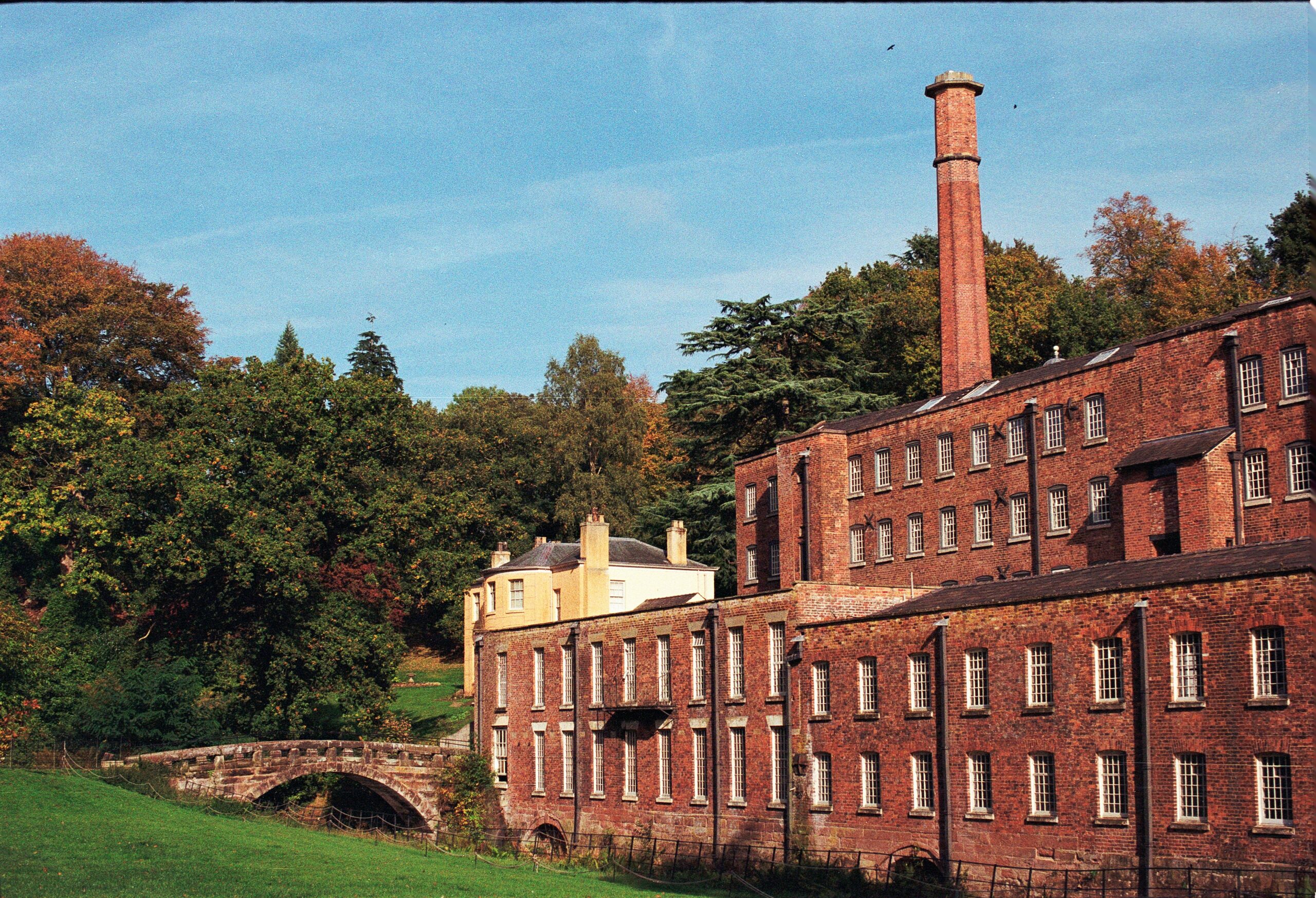
The transformation of small settlements into thriving industrial communities did not happen overnight. It required infrastructure, innovation, and a reliable source of power. Harrison Mill stands as a powerful example of how a single industrial facility could reshape entire regions. By harnessing natural resources and introducing new economic opportunities, it played a central role in the rise of early industrial society in America.
From employment generation to technological advancement, Harrison Mill became more than just a production site. It served as a foundation for economic growth, social change, and community development. As a result, its influence extended far beyond its immediate surroundings, shaping the lives of workers and families for generations.
The Origins of Harrison Mill
Harrison Mill emerged during a time when America was shifting from agrarian lifestyles to industrial productivity. Built near a reliable water source, it utilized waterpower to operate machinery efficiently. This strategic location allowed it to process raw materials faster than traditional manual methods, giving it a competitive edge. Consequently, it attracted investors and laborers who sought new opportunities.
As the mill gained momentum, nearby areas began to transform. Roads improved, small shops opened, and housing developments expanded. Although it started as a single facility, Harrison Mill quickly became the nucleus of a growing industrial hub. Its early success demonstrated how access to power and resources could drive long-term development.
Job Creation and Workforce Expansion
One of the most immediate impacts of Harrison Mill was the surge in employment opportunities. The mill required workers for various roles, including machine operators, maintenance staff, and laborers. As a result, people from surrounding rural areas migrated to the region in search of steady income. This migration contributed to rapid population growth and increased economic activity.
Moreover, the availability of jobs encouraged the establishment of supporting businesses. General stores, blacksmith shops, and service providers emerged to meet the needs of workers and their families. Over time, this created a self-sustaining local economy. Therefore, Harrison Mill did not just employ individuals but also stimulated broader workforce expansion across multiple sectors.
Technological Innovation and Efficiency
Harrison Mill played a significant role in advancing industrial technology during its time. By adopting water-powered machinery, it increased production speed and reduced reliance on manual labor. This innovation allowed the mill to produce goods more efficiently, which in turn lowered costs and improved output quality.
In addition, the success of these technologies inspired other industries to adopt similar methods. As industrial practices spread, entire regions began to modernize. Consequently, Harrison Mill became a model for efficiency and progress. Its influence helped accelerate the transition toward mechanized production, which defined the industrial era.
Economic Growth and Trade Development
The presence of Harrison Mill significantly boosted local and regional economies. With increased production came the need for transportation and trade networks. Goods produced at the mill were transported to nearby towns and cities, creating new commercial opportunities. As trade expanded, the region gained economic importance.
Furthermore, the mill encouraged investment in infrastructure such as roads and bridges. These developments improved connectivity and facilitated the movement of goods and people. As a result, the surrounding community evolved into a vital economic center. Harrison Mill effectively linked local production with broader market systems, strengthening economic stability.
Social Transformation and Community Life
Industrial growth brought about profound social changes, and Harrison Mill was at the center of this transformation. Workers and their families formed tight-knit communities around the mill, creating a shared identity rooted in industry. Schools, churches, and social institutions began to appear, reflecting the needs of a growing population.
At the same time, new social dynamics emerged. People from diverse backgrounds came together, leading to cultural exchange and community cohesion. Although challenges such as labor conditions existed, the overall impact fostered a sense of progress and unity. Therefore, Harrison Mill not only influenced economic structures but also reshaped social life.
Environmental Impact and Resource Use
While Harrison Mill contributed to economic and social growth, it also affected the natural environment. The use of waterpower required alterations to rivers and streams, which sometimes disrupted local ecosystems. However, during that era, such changes were often seen as necessary for progress.
Despite these challenges, the mill demonstrated the potential of renewable energy sources like waterpower. This early reliance on natural energy laid the groundwork for future sustainable practices. Although environmental awareness was limited at the time, Harrison Mill’s approach highlighted the importance of balancing resource use with industrial needs.
Legacy of Harrison Mill in Modern Industry
The influence of Harrison Mill continues to resonate in modern industrial practices. Its emphasis on efficiency, innovation, and community integration set standards that many industries still follow today. By proving that industrial facilities could drive regional growth, it established a blueprint for future development.
Moreover, the legacy of Harrison Mill can be seen in how industries interact with communities. Modern companies often invest in local infrastructure, workforce development, and social programs, reflecting principles that originated during early industrialization. Consequently, Harrison Mill remains a symbol of how industry can shape both economies and societies.
The story of Harrison Mill illustrates the profound impact a single industrial facility can have on community growth. Through job creation, technological innovation, and economic expansion, it transformed a simple area into a thriving industrial center. Its influence extended beyond production, shaping social structures and regional development.
As industrialization continues to evolve, the lessons from Harrison Mill remain relevant. It highlights the importance of sustainable growth, community engagement, and technological advancement. Ultimately, its legacy serves as a reminder that industry, when managed effectively, can be a powerful force for progress and transformation.