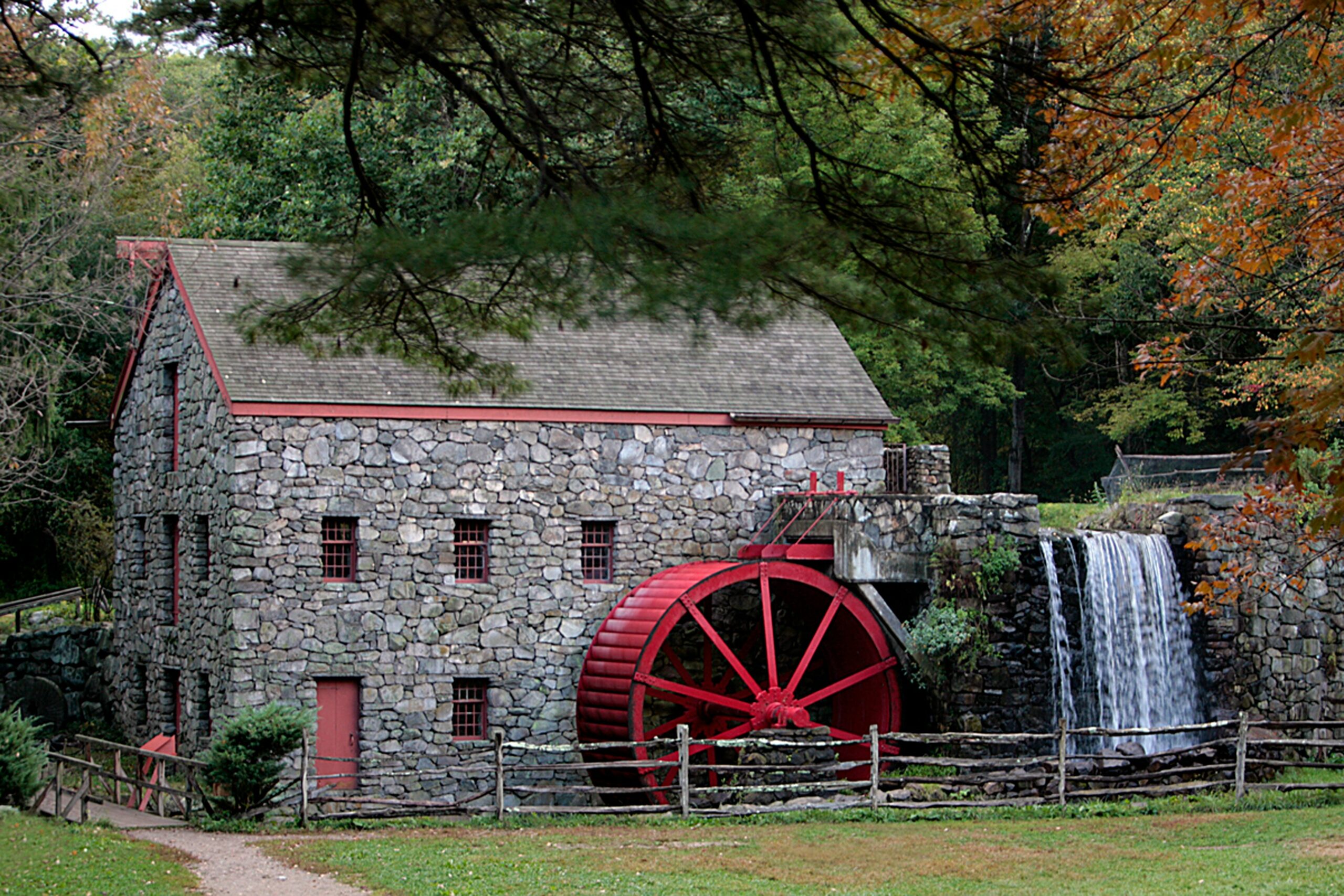
Honoring local history means protecting the places that shaped everyday life. These places carry stories that still matter, even when the people who built them are long gone. The mission to preserve Sim Corder, also known as Harrison Mill, reflects this belief. It is a mission rooted in care, memory, and responsibility.
The mill stands as a quiet witness to the past. Its walls have seen generations of work, struggle, and progress. While modern life moves fast, this historic site reminds us to slow down and look back. Preserving the mill keeps those lessons alive for future generations.
The Early Role of Sim Corder Harrison Mill
Sim Corder Harrison Mill once played a vital role in the local community. It served as a place where people brought their grain and left with flour that sustained their families. The mill supported farms, trade, and daily survival. It was not just a building. It was part of the rhythm of life.
The mill also brought people together. Neighbors met while waiting for their grain to be processed. Conversations happened naturally, and bonds formed over shared labor. These moments shaped the area’s social fabric. Saving the mill helps preserve these human connections, not just the structure itself.
Craftsmanship That Tells a Story
The mill reflects the craftsmanship of its time. Builders relied on skill, patience, and simple tools. Every beam and joint shows careful planning and hard work. These details tell a story of pride and determination that modern construction often lacks.
Preserving this craftsmanship allows people today to see how things were built to last. It offers a lesson in care and purpose. When visitors walk through the mill, they experience history through texture, space, and design. That experience cannot be replaced by photos or written records alone.
The Importance of Preservation Today
Preserving Sim Corder Harrison Mill matters because it protects a sense of place. When historic sites disappear, communities lose part of their identity. The mill connects the present to the past in a direct and meaningful way.
This connection encourages respect for local history. It reminds people that progress does not require forgetting what came before. Instead, preservation shows how the past can enrich the present. The mill stands as proof that history still has a role in modern life.
Community Support and Shared Effort
The mission to preserve the mill depends on community involvement. Residents, volunteers, and history supporters have come together with a shared purpose. They give time, energy, and resources to protect the site. Their efforts show that preservation is strongest when it is personal.
This shared work builds stronger relationships within the community—people who may not have crossed paths before now are now working side by side. The mill once brought people together through labor. Today, it continues that tradition through preservation efforts.
Facing Time and Weather
Time has not been kind to the mill. Years of exposure to weather and limited maintenance caused damage. The wood weakened, the stone shifted, and the structure faced real risk. These challenges made the mission urgent.
Rather than turning away, supporters stepped forward. They recognized that waiting longer would mean losing more. Each repair, no matter how small, became a step toward saving the mill. The work continues with care and patience, guided by respect for the original structure.
Education Through Experience
Preserving the mill creates learning opportunities. It allows people to experience history firsthand. Standing inside the mill provides context that books alone cannot. Visitors can imagine the sounds, smells, and movement of a working mill.
This type of learning applies to all ages. Children gain curiosity about the past, while adults deepen their understanding of local roots. The mill becomes a living classroom. It teaches lessons about work, community, and resilience without needing explanation.
Cultural Value Beyond the Structure
The value of the mill goes beyond its physical form. It represents shared memory and local pride. It reminds people that their community has a story worth telling. That story did not begin recently, and it will not end today.
By preserving the mill, the community honors the people who relied on it. Farmers, builders, and families all played a role in its history. The mission ensures that their efforts are not forgotten. It gives voice to everyday lives that shaped the region.
Looking Ahead With Purpose
The future of Sim Corder Harrison Mill depends on continued care. Preservation is not a single task. It is an ongoing commitment that grows with time. As more people learn about the mill, support continues to expand.
The goal is to keep the mill standing as a place of reflection and connection. It can host visits, stories, and shared moments. By honoring local history, the community shapes a stronger future. The mission to preserve the mill proves that the past still belongs to us all.