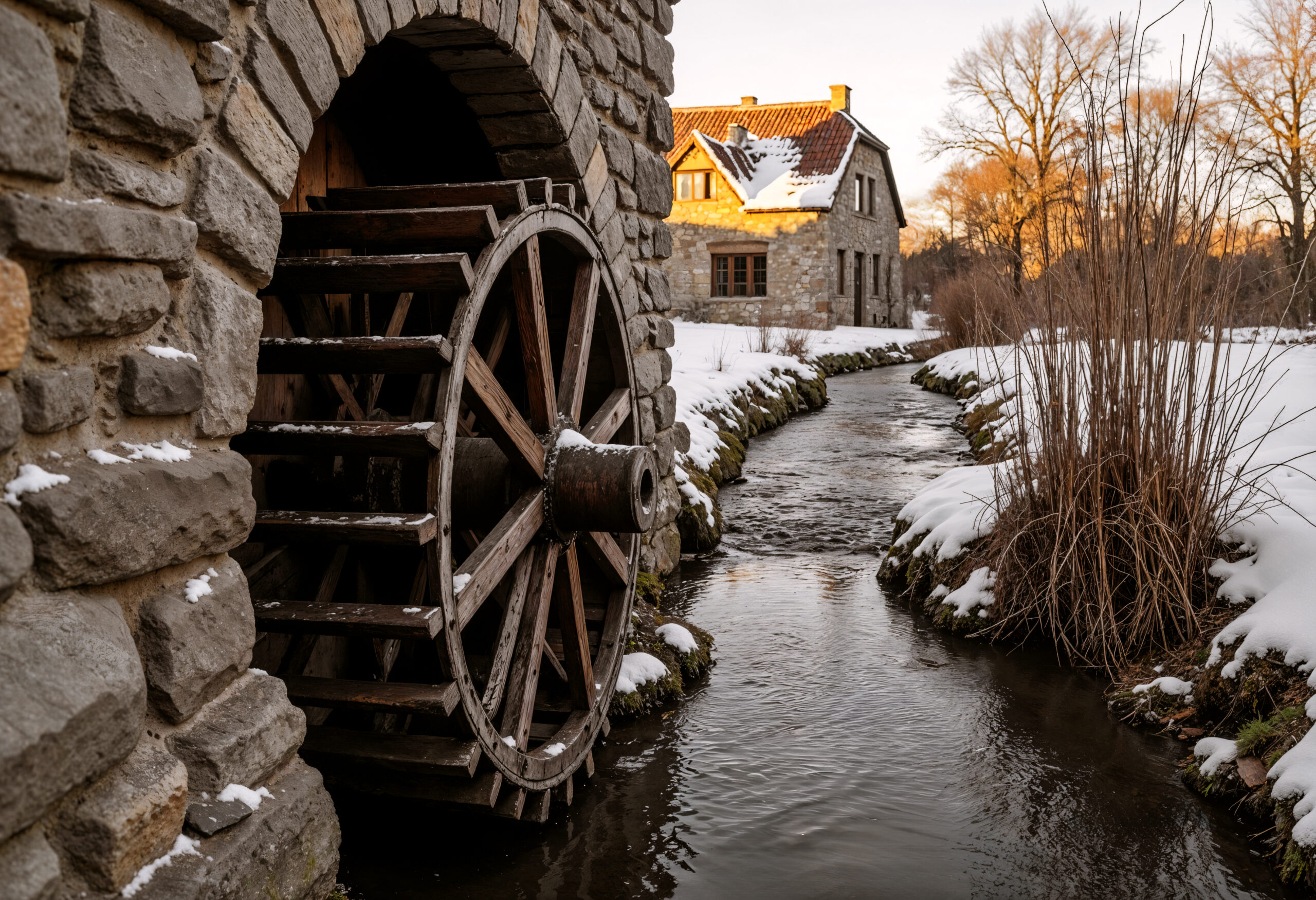
The Industrial Revolution reshaped the world with its surge of innovation and mechanization. It ushered in a new era where machines powered by water and steam replaced manual labor, transforming production into a faster, more efficient process. Central to this transformation were structures like the Harrison Mill, where cutting-edge engineering turned simple grain processing into a marvel of industrial strength.
More than just a building, the Harrison Mill symbolizes the engineering genius that powered the 19th century. From the roar of the gears to the hum of machinery, every component of the mill tells a story of progress and precision. Understanding the technologies behind these systems offers a deeper appreciation for how the Industrial Revolution laid the foundation for modern manufacturing.
The Rise of Engineering During the Industrial Revolution
Before this era, manufacturing was a slow, labor-intensive process carried out mainly by hand. The Industrial Revolution introduced mechanized tools and centralized power sources, enabling businesses to scale production rapidly. Engineers became the backbone of industry, designing systems that maximized efficiency while reducing the need for human input in repetitive tasks.
The Harrison Mill is a living example of this transition. Every beam and belt reflects the era’s commitment to innovation. It represents how engineering became a driving force of economic growth, allowing even remote mills to become highly productive with relatively few workers. It wasn’t just about machines; it was about a new way of thinking and creating.
The Sim Corder Legacy: A Turning Point in Mill Engineering
Among the many inventions that powered this revolution, the Sim Corder holds a unique place. This ingenious device translated rotary motion into the precise mechanical energy required for key tasks such as threading, shaping, and winding. It significantly reduced human error while enhancing speed and reliability within the mill’s workflow.
At the Harrison Mill, the Sim Corder became a critical part of daily operations. Its robust design, heavy iron gears, and belt-driven systems enabled long hours of operation with minimal downtime. By integrating it into the mill’s larger mechanical system, engineers were able to streamline processes and maintain high productivity with impressive consistency.
Water Power: Nature Fuels Industry
Long before steam engines took center stage, water power was the primary source of energy for mills like Harrison. Flowing rivers were diverted through channels to large water wheels, which converted kinetic energy into mechanical force. These wheels powered gear systems that ran everything from grinding stones to conveyor belts, bringing life to the mill’s interior.
However, water power had its limitations. Seasonal changes could cause fluctuations in water flow, affecting the mill’s output. To solve this, engineers at the Harrison Mill developed adjustable water gates and sluices, allowing better control over the energy supply. This adaptability made the mill more resilient and ensured a more stable workflow throughout the year.
Steam Power: The True Industrial Catalyst
While water powered the early days of the revolution, steam became the true catalyst for industrial expansion. Steam engines liberated mills from the need to be near rivers, opening opportunities for production in urban and remote areas alike. The introduction of steam at the Harrison Mill marked a significant leap in both scale and capability.
Steam enabled the mill to operate independently of weather and location, ensuring consistent year-round production. The installation of a high-pressure steam engine gave the Harrison Mill a competitive edge, enabling it to run more machines simultaneously. With this new energy source, the mill operated for longer hours and substantially increased its manufacturing capacity.
Precision and Productivity: Mechanical Advances
One of the most outstanding engineering achievements of the Industrial Revolution was the advancement in precision machining. Tools and machines were built with tighter tolerances, allowing them to perform with greater accuracy. This improvement elevated product quality and enabled more complex operations within industrial settings.
Inside the Harrison Mill, this precision was evident in its modular looms, gear systems, and shaft alignments. These machines could be adapted to different production needs, offering flexibility and efficiency. The integration of overhead shafts and belt systems enabled the distribution it energy across the entire mill floor with remarkable precision and minimal waste.
Safety and Ergonomics in Early Engineering
Although the primary goal of early engineering was productivity, safety concerns soon became part of the conversation. Exposed belts, high-pressure boilers, and fast-moving parts posed risks to workers. Engineers began introducing safety features like guardrails, pressure valves, and improved ventilation systems to protect both machines and people.
The Harrison Mill embraced many of these changes early on. It featured dedicated boiler rooms, enclosed engine housings, and strategically placed lighting to reduce accidents. These improvements signaled a shift toward more responsible engineering practices, laying the groundwork for the safety standards we now take for granted in modern industry.
Legacy of the Harrison Mill: Engineering’s Timeless Impact
Today, the Harrison Mill stands as a symbol of engineering excellence. Its systems, though outdated by today’s standards, still reflect a time when human innovation transformed society. Every pulley, wheel, and beam holds lessons about resilience, creativity, and the power of mechanical thinking.
Modern engineers often look to these 19th-century innovations for inspiration. Whether in automation, energy efficiency, or sustainable design, the values that drove the Industrial Revolution still influence how we build and operate technology. The Harrison Mill remains a powerful reminder of that legacy and continues to inspire future generations.
A Tribute to Innovation
The Industrial Revolution changed everything: how we work, how we produce, and how we live. It was not only a historical milestone but also a period of relentless engineering innovation. Technologies like the Sim Corder and steam engines made facilities like the Harrison Mill more than places of work; they became testaments to what human intellect could achieve.
Understanding the story of the Harrison Mill is more than a history lesson. It is a celebration of engineering’s power to transform industries and improve lives. As we face the challenges of the modern world, the spirit of the Industrial Revolution encourages us to think bigger, work smarter, and never stop innovating.